
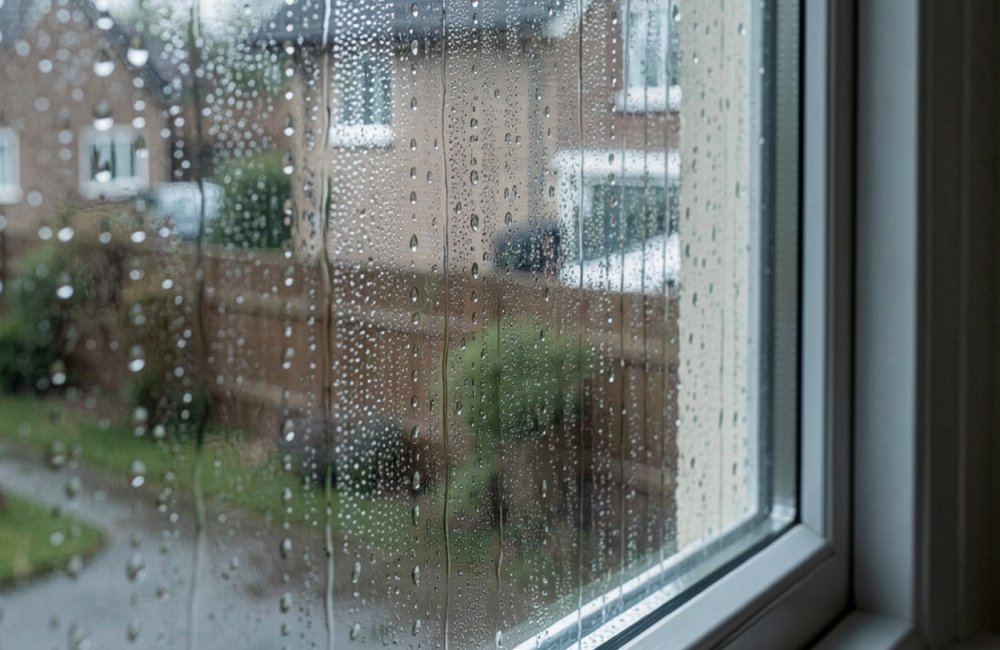
Spring in Oregon is basically a personality disorder: cold nights, mild days, random sunshine, and enough moisture in the air to keep moss employed full time. So if you’re seeing condensation on your windows in Tigard, OR, you’re not alone. Sometimes it’s totally normal. Other times it’s your home quietly waving a red flag that moisture is building up where it shouldn’t.
This guide breaks down what window condensation means, how to tell if it’s harmless, and what Oregon and Pacific Northwest homeowners can do to prevent mold, wood rot, and window seal failure.
Quick Answer
A little condensation in spring can be normal, especially when temperatures swing between cool nights and warmer days. But persistent moisture on the inside of your windows, condensation between panes, or signs of mold, musty smells, or wood damage can indicate ventilation issues, high indoor humidity, or failing window seals.
What Causes Window Condensation?
Condensation happens when warm, moist air hits a cooler surface and the water vapor turns into liquid droplets. In spring, the Pacific Northwest sees frequent temperature swings and consistently higher humidity, which increases the odds of condensation showing up on glass.
Common spring triggers include:
- Cool nights + warmer daytime temps
- Indoor humidity from cooking, showers, and laundry
- Limited ventilation (especially in tighter, newer homes)
- Heat running at night while windows stay cold
- Lots of rain and damp outdoor air lingering around the home
Condensation Inside vs Outside Windows (This Matters)
Not all condensation means the same thing. Where it shows up is half the diagnosis.
Condensation on the Outside of Windows
This is usually normal. It can happen when the glass cools overnight and morning air warms up quickly. It often disappears once the sun comes out or temperatures rise.
Translation: your window is doing its job insulating your home.
Condensation on the Inside of Windows
This is the one to pay attention to. If you’re seeing moisture on the room-side of the glass, it often means indoor humidity is too high, ventilation is lacking, or there’s too much warm air meeting a cold surface.
Translation: your house is holding moisture, and it needs a better exit plan.
Condensation Between Panes (Fogging Inside the Glass)
If you see fogging or moisture between double-pane window glass, that usually indicates a failed seal. The insulated glass unit (IGU) isn’t sealed properly anymore, and moisture is getting trapped where it shouldn’t.
Translation: the window has likely lost insulating performance and may need repair or replacement.
When Window Condensation in Spring is Normal
In Oregon and the greater Pacific Northwest, it can be normal when:
- It’s only happening during early mornings
- It clears up within an hour or two
- It’s mostly on outside glass
- It only happens during sudden weather shifts (warm day after cold night)
A small amount of temporary condensation is common during spring transitions. It’s the persistent, repeated, or worsening condensation that deserves attention.
When Condensation is a Problem (And What It Can Lead To)
Condensation becomes a problem when moisture hangs around long enough to soak surrounding materials or feed mold growth. If you’re seeing persistent moisture, fog between panes, or signs of mold, it may be time to schedule a consultation to identify the cause and prevent damage.
Signs It’s More Than “Normal Spring Moisture”
Watch for:
- Condensation on inside glass most days
- Water pooling on the sill or dripping
- Musty odors near windows
- Mold spots on trim, caulk, or drywall
- Peeling paint, bubbling finish, or staining around the window
- Soft or darkened wood (early rot)
- Fogging between panes
What Can Happen If You Ignore It
If indoor moisture keeps collecting, you can end up with:
- Mold and mildew (especially around trim and corners)
- Wood rot in sills and frames
- Damaged drywall or interior paint
- Reduced window efficiency and comfort
- Higher heating and cooling costs
- Long-term moisture issues inside the wall cavity
Moisture damage tends to start small, then become expensive right around the time you planned to spend money on anything else.
Why Oregon and the Pacific Northwest See This More Often
The PNW has a perfect combo for window condensation:
- Higher average humidity
- Frequent rain and damp air
- Cool evenings even into late spring
- Homes sealed tight for efficiency (which can trap moisture)
- Lots of evergreen landscaping and shade keeping areas damp longer
If you’re near the coast, in the valley, or surrounded by tall trees, your home may naturally hold moisture longer. That doesn’t mean you’re stuck with condensation. It means you need the right strategy and protect your home from water overflow.
How to Reduce Window Condensation (Simple Fixes First)
Start with these practical fixes before assuming the windows are the problem.
1) Ventilate Bathrooms and Kitchens
- Run exhaust fans during showers and cooking
- Keep fans running 15–20 minutes after
- If you don’t have a bathroom fan or it’s weak, that’s a common culprit in persistent humidity
2) Use a Dehumidifier (Especially in Spring)
If condensation is frequent, a dehumidifier can help stabilize indoor humidity. This is especially useful in basements, bedrooms with closed doors, or homes with limited airflow.
Ideal indoor humidity: roughly 30–50% for comfort and moisture control.
3) Improve Air Circulation
- Use ceiling fans on low
- Avoid blocking vents with furniture or curtains
- Crack interior doors open to help airflow, especially overnight
4) Adjust Your Thermostat Habits
Huge night-to-day temperature swings indoors can increase condensation risk. If you’re blasting heat overnight and your windows are very cold, moisture will show up faster.
5) Check Weatherstripping and Window Seals
Even if the glass is fine, gaps around the window can let moist air collect where it shouldn’t.
Look for:
- Drafts near the window edges
- Loose or cracked caulk
- Cold spots around trim
H3: 6) Dry Laundry the Smart Way
Drying clothes indoors without ventilation can spike humidity fast. If you do it, use a fan, open a window slightly (when feasible), or run a dehumidifier nearby.
When It’s Time to Repair or Replace Windows
Sometimes condensation is a symptom of a bigger window issue and you’ll need window replacement in Oregon.
Replace or Repair if You Have:
- Fogging or moisture between panes (seal failure)
- Older single-pane windows that sweat constantly
- Warped frames or damaged sills
- Drafts you can feel, even when shut
- Condensation that persists despite humidity fixes
Why Seal Failure Matters
A failed seal often means the window has lost a chunk of its insulating performance. Even if the fogging looks like a cosmetic issue, it can lead to:
- Less comfort near windows
- Higher energy use
- More condensation cycles and moisture exposure
In many cases, it’s smarter long-term to address the window system rather than keep chasing symptoms. You can improve your home’s sealing with a new entry door.
FAQs About Window Condensation in Spring
Is condensation on windows normal in spring?
It can be normal, especially outside condensation in the morning or light moisture during temperature swings. Persistent condensation on the inside is more likely a humidity or ventilation issue.
Why do my windows sweat in the morning?
Cool glass overnight plus warm, moist air in the morning often causes condensation. It’s more common during spring when temperatures shift quickly.
What does fog between window panes mean?
Fogging or moisture between panes typically indicates a failed window seal in a double-pane unit. The insulated glass is no longer sealed properly and may need repair or replacement.
How do I stop condensation on my windows?
Start with ventilation (bathroom and kitchen fans), a dehumidifier, airflow improvements, and checking weatherstripping/caulk. If moisture continues, the window’s insulation or seals may be failing.
Can condensation cause mold?
Yes. Repeated moisture on sills, trim, and drywall can feed mold growth, especially in damp climates like Oregon and the Pacific Northwest.
When to Get a Professional Opinion
If you’re dealing with:
- Fogging between panes
- Rotting wood or stained trim
- Musty odors around windows
- Condensation that doesn’t improve after ventilation and humidity fixes
…it’s worth getting an evaluation. Sometimes the fix is simple (seal, caulk, weatherstripping). Sometimes it’s time for a window upgrade with Harley Exteriors in Eugene, OR that improves comfort and reduces moisture problems long-term.
Need help figuring out if your condensation is normal or a window issue?
Harley Exteriors of Oregon, a reliable window installation company in Portland, OR can inspect your windows, identify the cause, and recommend the best next step, whether that’s a small fix or a full replacement plan.