Old windows can change the feel of your home fast. You may notice drafts, sticky frames, or glass that looks cloudy. Higher energy bills can also hint that your windows no longer seal well. Small signs often grow into bigger problems over time. If your home also has entry issues, door repair in Wilsonville OR can matter just as much for comfort and safety. A close look at your windows helps you spot trouble early. That gives you a better sense of what needs attention first and what can wait for a short time before costs start to rise fast.
Drafts and Rising Energy Bills
Air Leaks Around the Frame
A draft near a window often points to a weak seal or a worn frame. You may feel cool air near the edges, even when the window stays shut. That small leak can change the feel of the whole room. It can also force your heating or cooling system to run longer. In some homes, the frame pulls away from the wall over time. Wood can shrink. Old caulk can crack. Weather can wear down the parts that block outside air. You might also notice a curtain moving a little on a still day. That is a clear sign that air is getting in. A simple draft can start as a minor issue, but it can lead to less comfort and higher home costs over time.
Heating and Cooling Costs Keep Climbing
Higher energy bills can point to windows that no longer hold indoor air well. Your heater may run longer in cold months. Your cooling system may work harder in warm months. That extra use often shows up on your monthly bill. Old windows can let heat slip out in winter and let heat in during summer. Even a small leak around the frame or glass can add up over time. You may also notice that one room feels warmer or colder than the rest of the house. That uneven indoor temperature often links back to poor window performance. If your energy use keeps rising and your habits stay about the same, your windows may play a big part in the problem.
Windows That Stick or Will Not Lock
Swollen Frames Make Movement Hard
A window should open and close without a fight. If you have to push hard, pull hard, or lift the sash with force, the frame may have changed shape. Wood can take in moisture and swell. Heat and rain can also affect older materials over time. That change can throw the window out of line. Once that happens, the sash may rub against the frame and make movement hard. Some people stop opening that window at all. That can limit fresh air in the room and make daily use frustrating. A stuck window can also create trouble during a home emergency. If you need a fast exit, a jammed window slows you down. Trouble with movement often points to age, moisture damage, or poor fit.
Broken Locks Hurt Safety and Ease
A lock should click into place with little effort. If it does not line up, feels loose, or refuses to stay shut, the window may no longer fit the frame well. That can happen as parts wear down or shift over time. In some cases, the lock itself breaks. In other cases, the frame moves just enough to keep the latch from catching. This problem affects more than peace of mind. A window that will not lock can let in drafts, rain, dust, and noise. It can also make the room feel less secure, especially on the ground floor. You may even avoid using that window because closing it becomes a hassle. When locks stop working well, the window often shows its age in other ways too.
Foggy Glass and Trapped Moisture
Condensation Between the Panes
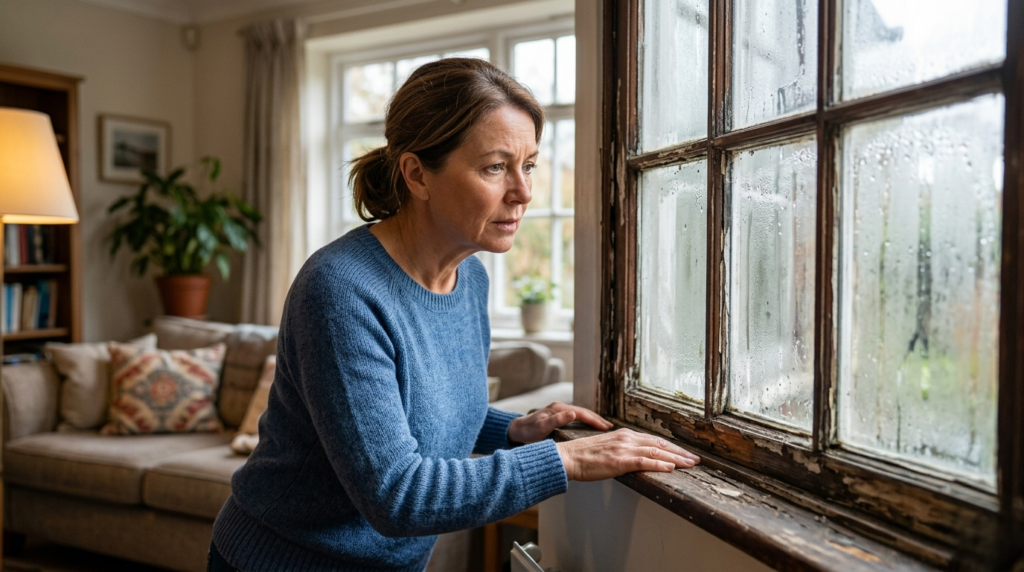
Foggy glass between window panes often points to a failed seal. In many modern windows, the space between the panes holds insulating gas. That space should stay dry and sealed. Once the seal breaks, moisture can get inside and stay there. You may notice a hazy look that does not wipe away from either side of the glass. On some days, the cloudiness may look lighter. On other days, it may look worse. This can block your view and make the window look old and worn. It can also mean the window no longer insulates as well as it once did. If this keeps showing up, the glass unit has likely lost much of its value.
Water Marks Near the Sill
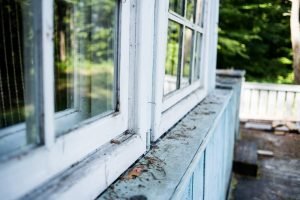
Water marks near the sill can signal that moisture has started to collect where it should not. You might see stains, peeling paint, soft wood, or dark spots along the lower edge of the window. In some homes, this happens after rain gets past worn seals or small gaps in the frame. In other cases, indoor moisture builds up and drips down over time. That repeated wetting can damage the sill and the nearby wall area. It can also lead to swelling, rot, or mold growth if you leave it alone too long. A dry window area should stay clean and solid. If the sill keeps showing water marks, the window may no longer protect your home the way it should.
Noise and Fading Comfort Indoors
Outside Sounds Feel Too Loud
Your windows should help keep outdoor noise at a lower level. If traffic, barking dogs, lawn tools, or voices sound much louder than they used to, your windows may not block sound well anymore. Older glass and worn seals often let more sound pass through. Small gaps around the frame can also let in more noise than you expect. You may notice this most in rooms that face a street or a neighbor’s yard. The change can feel gradual, so many people get used to it over time. Still, a noisy room can affect sleep, work, and quiet time at home. If closed windows do little to soften outside sounds, that can point to aging parts and weak window performance.
Hot and Cold Spots Near the Window
A room should feel fairly even from one side to the other. If one area near the window feels much hotter or colder, the window may no longer hold indoor air well. On warm days, heat can push through the glass and frame. On cold days, chilly air can gather near the same spot. You may notice this when you sit by the window, walk past it, or place a hand near the frame. Some rooms feel fine in the center but uncomfortable near the wall with the window. That uneven feel often signals poor insulation, worn seals, or older glass. Over time, these hot and cold spots can make the whole room harder to enjoy and harder to keep at a steady indoor temperature.
Visible Damage on Frames and Glass
Cracks, Rot, and Soft Wood
Visible damage on a window frame often points to a bigger problem than looks alone. Small cracks can let in air and water. Over time, that can wear down the frame and the area around it. Wood frames may start to feel soft near the sill or lower corners. That softness can mean rot has started. Rot weakens the frame and can spread if water keeps getting in. You may also see glass cracks from impact, age, or frame movement. Even a small crack can grow and affect the way the window works. A solid window should feel firm and stable. If the wood feels weak or the glass shows damage, the window may no longer do its job well.
Peeling Paint and Warped Parts
Peeling paint and warped parts can show that a window has dealt with moisture and heat for a long time. Paint should stay smooth and attached to the surface. If it starts to peel, bubble, or flake, water may be getting into the frame. Warped parts can also change the shape of the window. That can lead to gaps, sticking, and poor sealing. In wood windows, swelling and drying can happen again and again over the years. That cycle can leave the frame uneven. In some cases, the sash may not sit flat in the opening anymore. These changes can affect comfort, safety, and indoor air control. When paint and frame parts break down, the window often needs more than a small fix.
Find the Right Window Fit with Harley Exteriors – Oregon
Small warning signs can tell you a lot about the condition of your windows. Drafts, foggy glass, rising energy bills, and hard-to-move frames often point to aging parts and worn seals. Noise from outside can also show that the glass no longer blocks sound well. Water stains, soft wood, and cracked frames may lead to bigger repairs if you leave them alone too long. Harley Exteriors – Oregon works with homeowners who want windows that look better and feel better in daily life. If these signs sound familiar, we can help you move forward with us. Visit us at 27750 SW 95th Ave, Suite 100, Wilsonville, OR 97070, or call (877) 523-5468 for window replacement services.